Area: Behavioral Decision Making
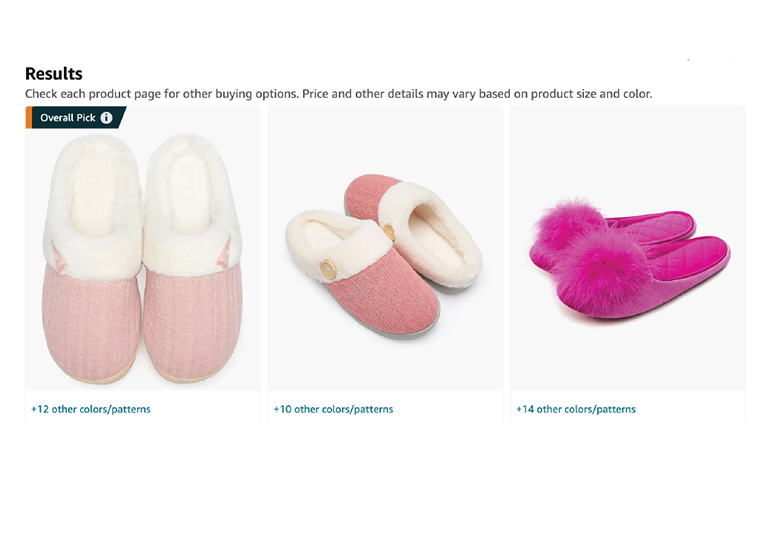
As Few as Three Options Can Be Too Many for Online Shoppers
A large field experiment suggests two items is the sweet spot for converting motivated lookers into buyers

Wealth Building Behavioral Trait Holds Up in Large-Scale Study
Feeling connected to — not estranged from — our older self is associated with savings and other helpful present-day behaviors

Nudging Teachers, in a Large Field Study, Marginally Boosted Student Math Performance
Fifteen nudges tried out across 140,000 teachers and some 3 million students

Expedited Delivery Is Widely Offered, But Might It Damage Brand Loyalty?
A surcharge for speediness is regarded as a profit grab, while a discount for slowness seems somehow more fair

Those Offering Opinions Are Better Remembered Than Those Uttering Facts
And recall of the source affects how we interpret information — and how we might act upon it

We Think Illegal Products Are More Effective
Because they’re harder to get, we assume they’re more potent — and thus preferable over legal ones.

Quirk of the ACT Test — Rounding to a Whole Number — Offers Rare Isolated Glimpse of the Value of Scores
Tracking the impact of a small test-score difference on college attendance and later life

Unflattering Facts Don’t Dent Positive Self-Assessments
People rate selves better than average, even faced with objective data to the contrary
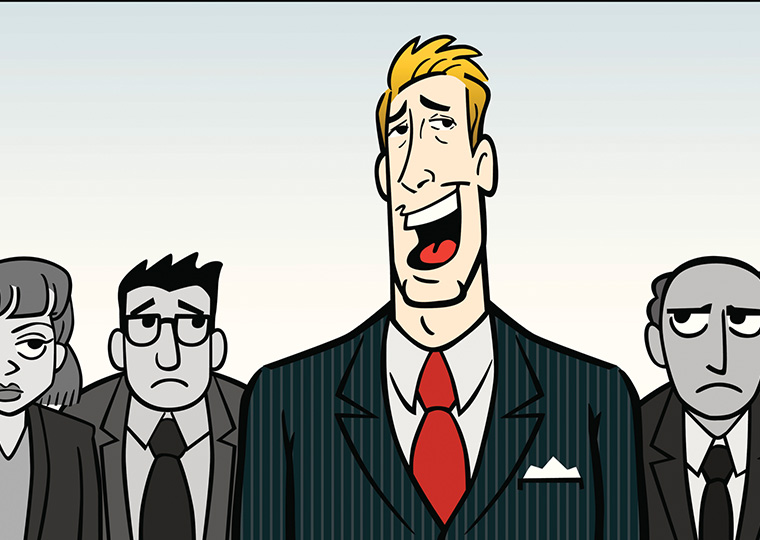
Is Telling the World of Your Success Worth Five Times Your Private Knowledge of It?
The difficulties of study design in a braggy culture where few readily admit to bragging
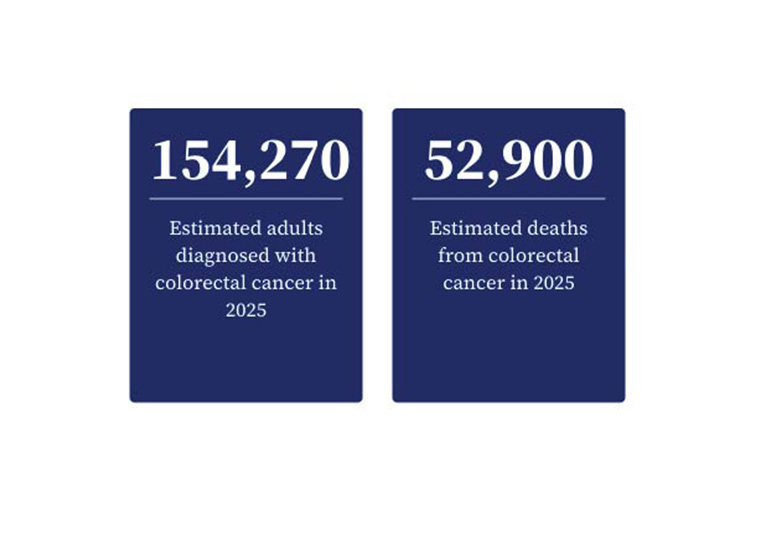
Out of the Blue, a Colon Cancer Screening Kit Arrives
That approach, closer to an opt-out, beat three nudges, or opt-ins at encouraging younger people to get tested
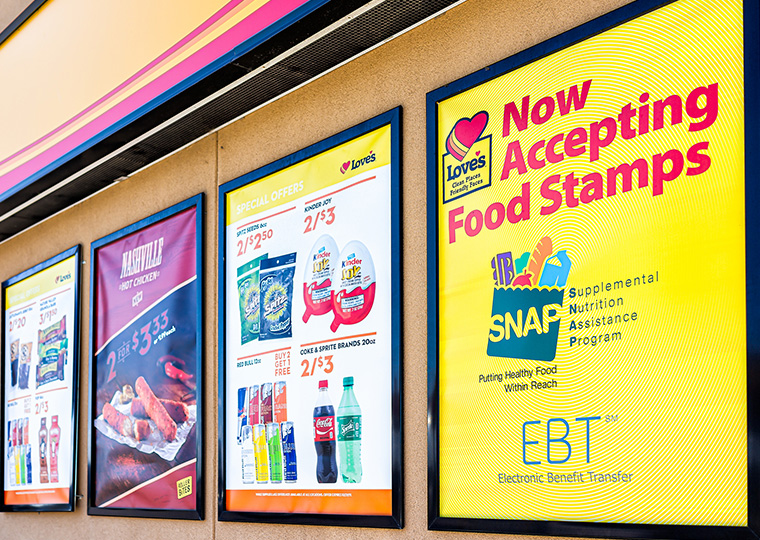
Research on Food Assistance Attitudes Shows People Overestimate Stigma Around Welfare
But correcting this misperception doesn’t necessarily boost applications
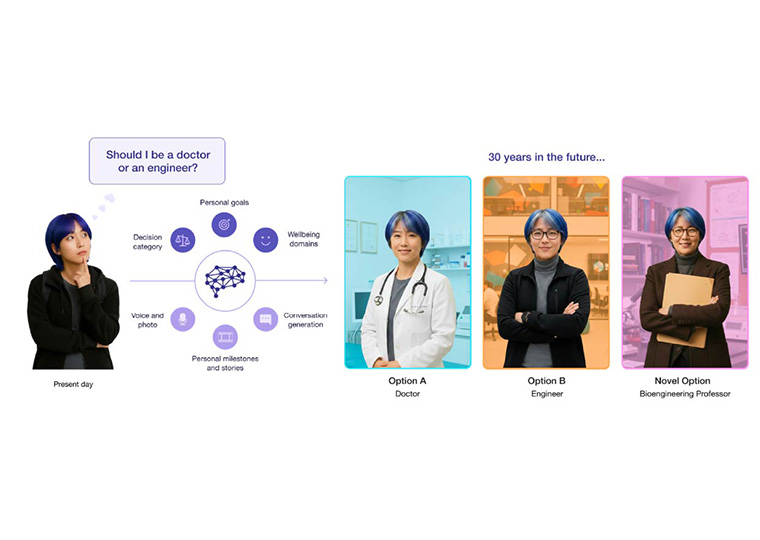
As AI Advances, Tools to Connect to Your Future Self Grow More Vivid and Useful
Digital twins, 30 years your senior, help weigh today’s big decisions

Change a Unit of Measurement and Watch People Magnify Uncertainties
How many cans of beer — or six packs or cases — will your party guests consume?
Simple Prompts Reduce Common Fear of Social Security ‘Going Broke’
Reminding people that payroll taxes will keep flowing in — even after the trust funds hit zero — helps them understand benefits won’t disappear

Beyond One-Size-Fits-All Nudges
Messages tailored to past vaccination behavior can meaningfully boost uptake for some

Household Use of AI Yields Bigger Productivity Gains Than Seen by Business
Chores go faster, providing more leisure time