1 of 5
1 of 5
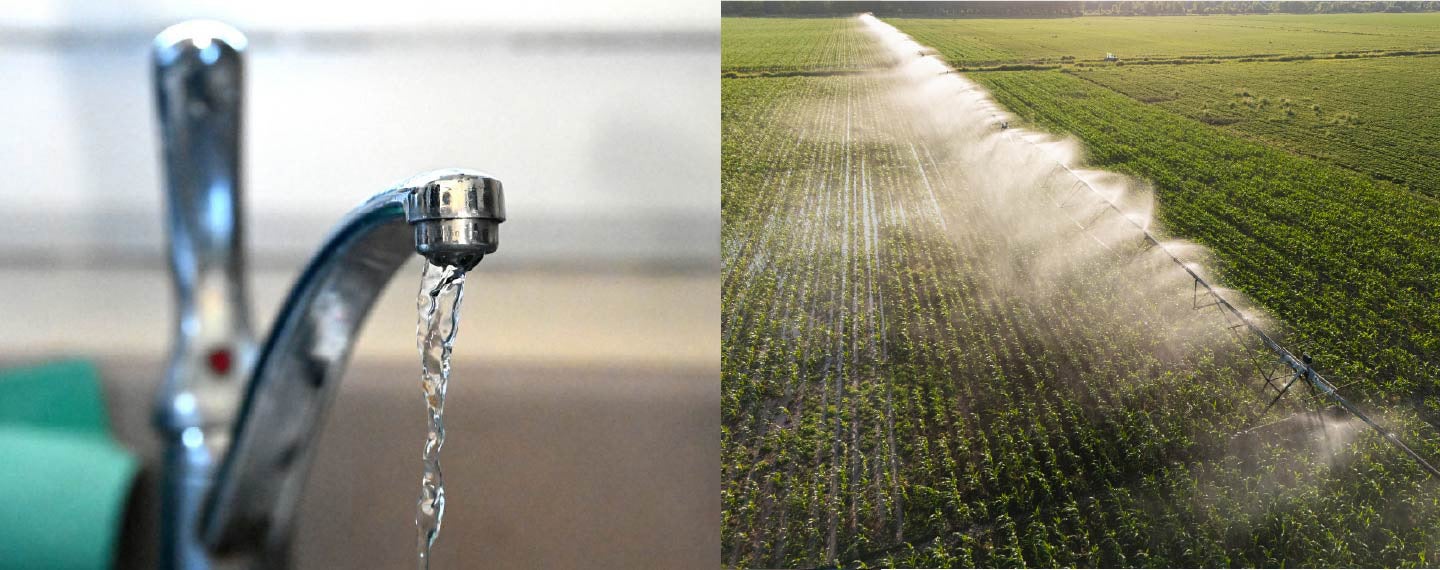
Environmental progress, like the industrial settings that have produced much of our pollution, works best at scale, bringing the largest polluters and waste producers into compliance with societal goals. With that in mind, if you reviewed 99 academic studies on behavioral nudges aiming to achieve waste reduction, what percent do you suppose would be targeted at households or individuals?
2 of 5
2 of 5
Until a change in laws in 2019, one lending sector in India legally required borrowers to grant access to their phone data — contacts, call logs and SMS metadata, so that, in the event of nonpayment, the lender could pressure family, friends and even work colleagues to force a payment. The sector?
3 of 5
3 of 5
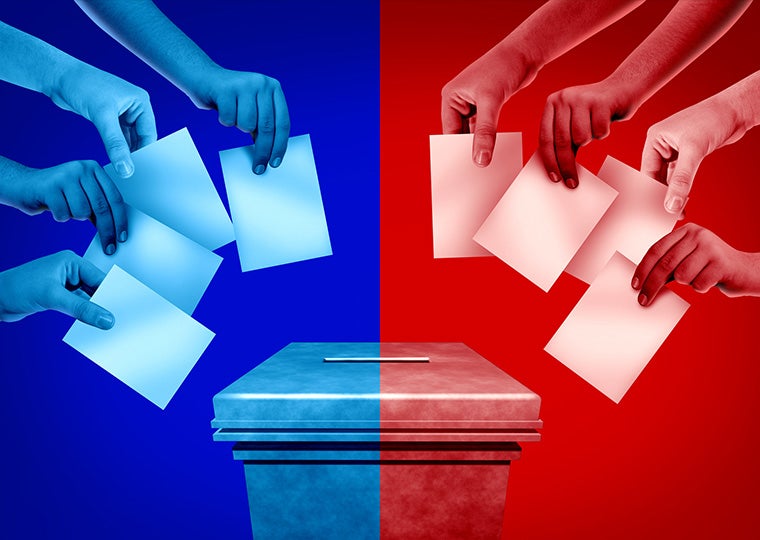
A Pew survey in 2025 found that 62% of Republicans and 56% of Democrats believe their own party is too extreme in its positions, leaving many general election contests a perceived choice between far left and far right. A professor’s theoretical model suggests a solution:
4 of 5
4 of 5
Companies, while achieving reduced greenhouse gas emissions (or not achieving), are adapting operations to hotter temperatures, drought, floods and wildfires. So-called maladaptations can compound global warming, while sustainable adjustments require gauging the impact on a range of constituencies now and into the future. Which of these are maladaptations?
5 of 5
5 of 5

The field of nudging, or getting people to voluntarily do what’s good for them with a gentle prod, is moving past one-size-fits-all and examining how a person’s past behavior factors into nudge effectiveness. In a study involving 14,000 patients from two health systems, a simple reminder to get a flu shot was effective with: