Reading List:
Health Care
Does any area of the economy offer as much opportunity for improvement – both in terms of cost efficiency and efficacy?
Medicare Ratings Didn’t Predict Nursing Homes’ Initial COVID-19 Vulnerability
Rate of spread in the surrounding community was a bigger indicator of risk

Private Equity Boosts Nursing Home Staffing — When Compelled by Competition
But in uncompetitive markets, the financial owners cut staff

Employees Work at Multiple Nursing Homes and Spread COVID-19
Smartphone GPS tracks staffers between facilities

How Nursing Homes Selectively Admit Patients for Optimal Profits
When beds are limited, turning away the sickest and poorest boosts margins

BRCA Mutation: New Model Quantifies How Surgeries Reduce Cancer Risk
Informed by personal experience, a researcher parses data to help those mulling mastectomy and gynecological surgeries

Picked All the Low-Hanging Fruit? Finding Opportunity in Mathematical Models
After management does its best, new analytical approaches take effectiveness up another notch

Research: Patients Spent 15 Hours Longer than Necessary in the ICU
Delaying transfers to other inpatient hospital rooms limits availability of costly beds

Kidney Transplant Outcomes Suffer at Clinics That Add Liver Transplants
Younger-patient mortality rate nearly triples, 20 years of data indicate

Machine Learning Can Help Reduce Post-Surgical Hospital Readmissions
A model outperformed simpler statistical approaches in predicting which patients would encounter trouble

Curbing Over-Prescription of Antibiotics: Ranking Clinicians Is a Nudge That Sticks
Peer ranking might cut dangerous antibiotic overuse

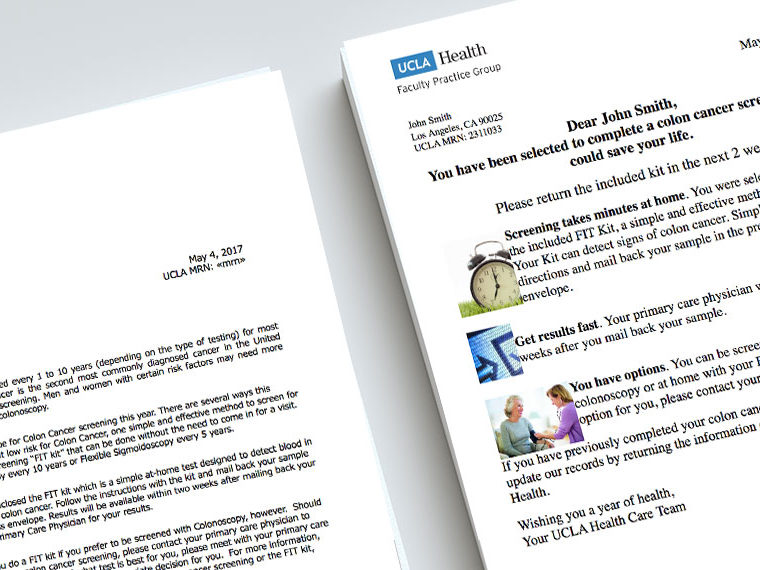
Carefully Crafted Messaging Boosts Uptake in Cancer Screening
Embedding psychological nudges in mail reminding people to get tested improves compliance
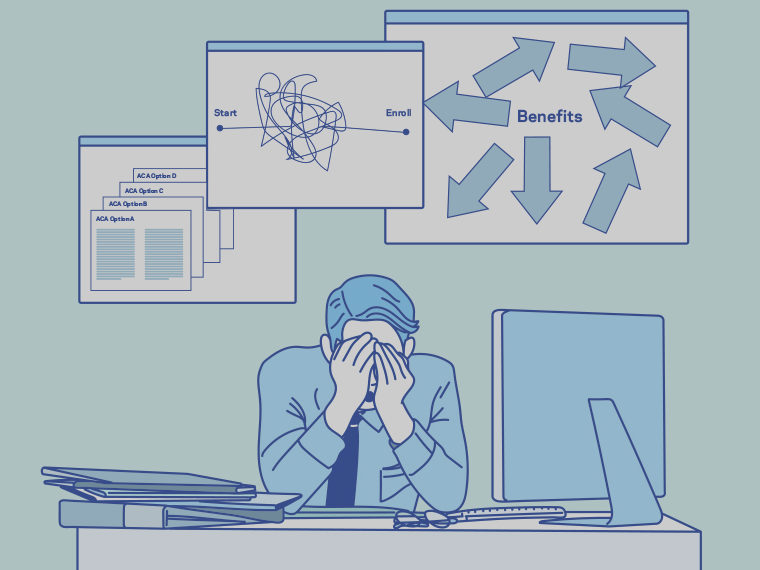
Behavioral Economics Could Increase Obamacare Enrollment and Stabilize Markets
Greater subsidies aren’t enough: Lowering the complexity of enrollment is needed to bring more and healthier people into the market
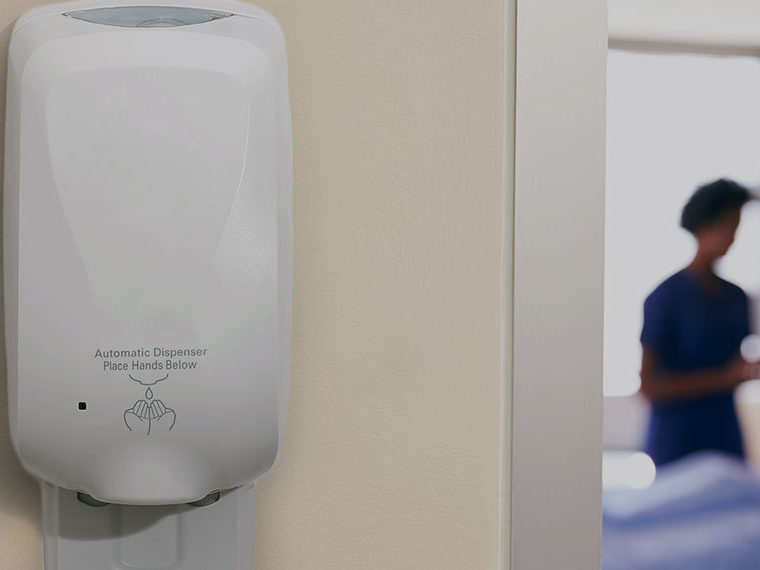
Hospital Hand-Washing: The Limits of Electronic Monitoring
The anti-infection procedure rises for a time, when workers are watched, and then falls off
When Ebola Strikes, Where Should Help Go?
Improving epidemic forecasting helps response teams target aid more effectively

Some Corporate Mergers Hold Down Future Wages
Fewer employers = less competition for workers = smaller paychecks

How Antitrust Thinking on Hospital Mergers Has Been Forced to Evolve
Matt Schmitt’s research shows hospital prices rise after acquisitions, even where local competition is unchanged

Do Hospital Mergers Really Cut Health Care Costs?
Matt Schmitt finds that size and location help determine how much, if any, costs fall after deals

A Tool to Make FDA Drug Approval Practices Transparent
Researchers aim to help the agency, drug companies and patients better understand the complex authorization process

Medicare Could Save by Subsidizing Providers’ Capital Spending
Projects that make health care delivery more efficient require upfront financial help

Do Surgeons Win or Lose When Medicare Bundles Payments?
A model separates potential profits or losses for hospital, doctors and other health care providers when insurer pays in lump sum

Two-Tier Pricing: Reducing Risk for ACOs and Specialist Practices
Higher prices for the first few procedures, followed by a volume discount, may help balance risks and rewards

Can Contracts Optimize Both Health Care and Clinician Pay?
Accountable care organizations can levy penalties against specialists for poor patient outcomes

A Major Medical Center Gets a Cheaper, Fairer Way to Assign Doctors
Model tells schedulers which anesthesiologists should be on call or on-site at specific times

Can Algorithms Help Reduce Hospital Readmissions?
Measuring the utility of increased care and testing, inputs that aren’t always immediately available

Anticipating Overcrowding Risk in the ICU
A model vastly outperforms predictions based on prior hospital data

The Dollar Store Fix for Vaccination Deserts
Pharmacies aren’t everywhere — adding dollar stores could reduce average distance to vaccination by 62%

A Scheduling Tool that Considers Employee Preferences
A model for staffing O.R.s incorporates the costs of worker dissatisfaction and idle time

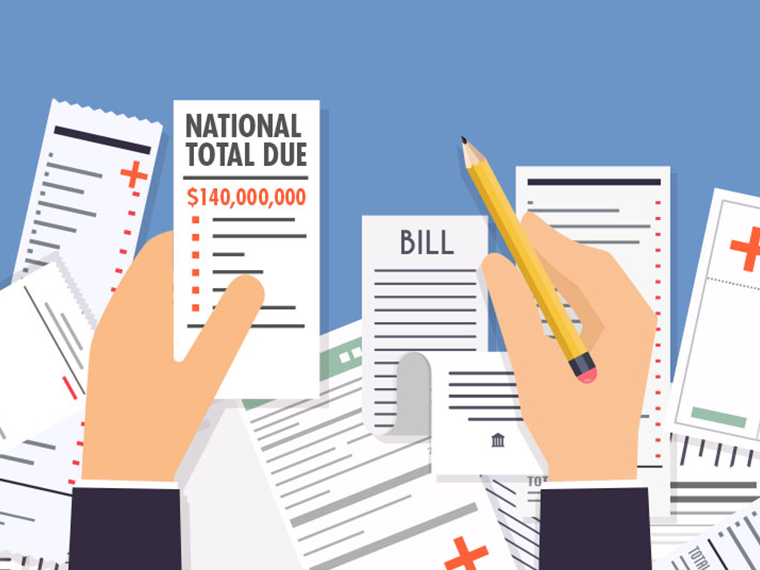
Medical Debt in Collection Estimated at $140 Billion
Poorer residents of states refusing to expand Medicaid hit hardest
Codifying the Nursing Home Industry’s Elusive, Alarming Turnover Rates
Payroll data allows researchers to finally build an accurate and meaningful measurement

In COVID-19, Should the Logistics Tail Have Wagged the Vaccine Dog?
Balancing vaccine efficacy against need to quickly inoculate more people

Academic Medical Centers Resilient After Cuts
Following Medicare reimbursement rate changes, research actually increased

Quality and Price: National Pharmacy Chains Benefit Consumers in India
Independent drug stores improve to meet the competition

Maximizing Life Saving through Better Placement of Defibrillators
Just putting one where the last cardiac arrest occurred isn’t optimal — more calculations to get to fewer steps

Subscribe Now
Listen and Subscribe Now on Your Favorite Podcast Platform