1 of 5
1 of 5
Two-thirds of Americans support the idea of employers providing paid parental leave, but less than one-third of private sector workers are employed by companies that do so. A careful analysis finds:
2 of 5
2 of 5

In the wake of the 2008 financial crisis, U.S. banks were ordered to maintain higher levels of capital as a cushion against losses. A study found that banks’ parent companies accomplished that by:
3 of 5
3 of 5
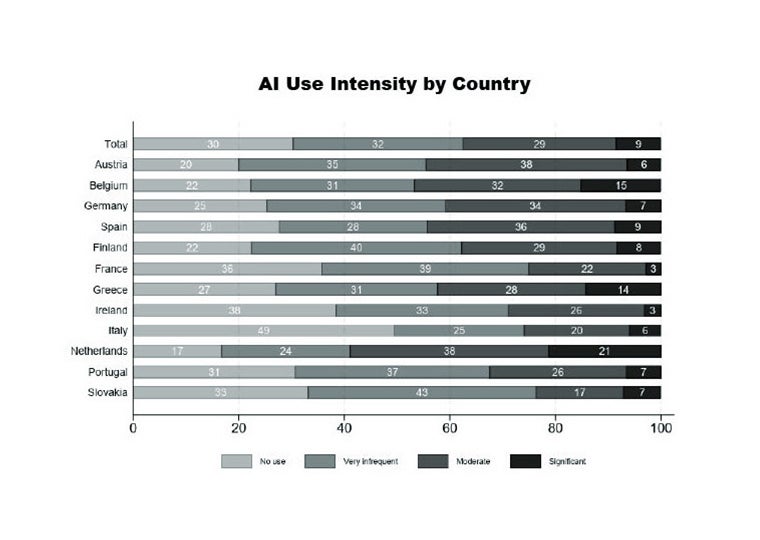
Staying competitive is essential in most industries. Upon learning that competing companies are adopting artificial intelligence tools, European firms were inclined to follow suit but only so long as:
4 of 5
4 of 5

AI is a certain job killer, we’ve all heard. 2026 college graduates hitting the job market this past summer found the job search:
5 of 5
5 of 5
Americans differ over the details of gun control, but generally support restricting firearms in bars and other places that serve alcohol. Two-thirds of people in a study supported such a ban at large venues, for instance. To test how much they would value such a ban, researchers quizzed them on enforcement costs funded by a tax increase. Support fell to about 30% when the tax hike was: