Shlomo Benartzi
Professor of Behavioral Decision Making
About
Shlomo Benartzi is a behavioral economist interested in combining the insights of psychology and economics to solve big societal problems. His goal is to help people make better decisions on a very large scale. He is a professor and co-founder of the Behavioral Decision Making Group at UCLA Anderson School of Management. Benartzi’s current focus is online behavior: He studies how people think differently on screens.
Topics

22 Articles

Can AI Replace Your Financial Adviser? Not Yet. But Wait.
Effective financial advice requires five financial qualities. Here’s how ChatGPT stacks up.

Lack of Urgency Can Undermine a Popular Behavioral Nudge
Encouraging pre-commitment to a future behavior helps people do hard things — but it can backfire
Small Steps That Can Boost Your Retirement Savings
The Secure Act 2.0 will help a lot. But there’s much more that can be done.
Should You Undo Your Retirement and Go Back to Work? These Questions Might Give You the Answer.
Many retirees have blind spots that could prevent them from seeing why it might make sense to get back to work, at least part time
As Inflation Rises, Beware of the Money Illusion. It May Cost You a Lot.
People often focus on the actual amount of money they earn or spend, rather than its purchasing power

Fresh-Start Framing Boosts Retirement Plan Participation
A behavioral nudge passes a real-world test with 6,000 workers
A New Reason Investors Shouldn’t Try to Time the Stock Market
Moving in and out of stocks not only lowers returns, it adds to volatility, according to a new study
What Quarantine Can Teach You About Spending and Happiness
We’re in the midst of an unprecedented social-science experiment because of the coronavirus pandemic. Here’s what you can learn from it.
Here’s Why Some Investors Panic. And Here’s How to Make Sure You Don’t.
Are you likely to buy high and sell low in a market panic? There’s a pretty simple way to figure that out.
People Don’t Save Enough for Emergencies, but There Are Ways to Fix That
Small changes to company retirement plans can make a big difference
If You Don’t Save Enough, Perhaps You Have ‘Exponential Growth Bias’
Here’s how to tell whether you underestimate the benefits of long-term saving. And how to fix it.

Maximizing Retirement Savings: More Nudging Required
Tweaking 401(k) website design and language can significantly boost worker contributions, yet HR doesn’t always see these opportunities
Why Retirees Are Wary of Annuities
Understanding the reason for their reluctance may help people make better investment choices
The High Financial Price of Our Short Attention Spans
Information overload is giving us little time to focus on any of it—and leading us to make bad choices about our money

How to Spot a Nudge Gone Rogue
Researchers find common warning signs in persuasion projects that went wrong

Behavioral Nudges Timed to Certain Days are Effective Motivator
Dates of milestones — major and minor — can spur us to action
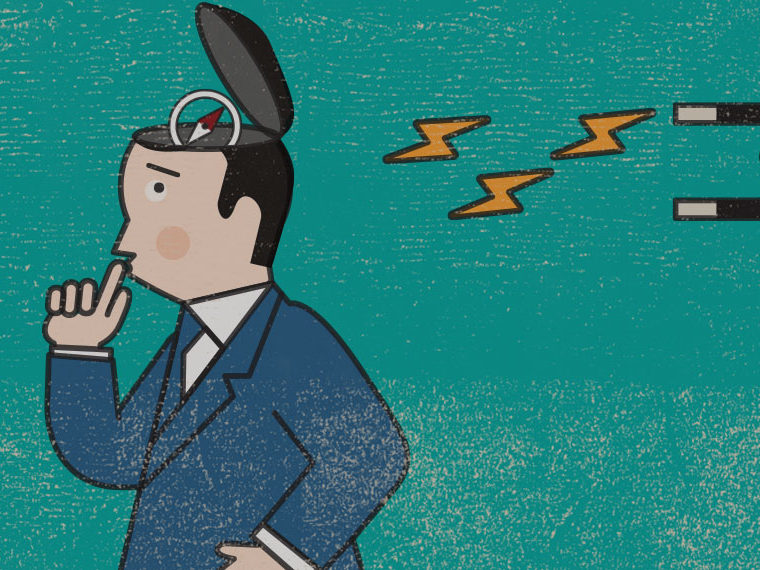
Behavioral Economics: Are Nudges Cost-Effective?
A team of experts makes the financial case that governments should spend more on nudging

Thinking Small Could Deliver Bigger Retirement Success for Gig Workers
Daily, weekly and monthly contribution schemes gauge behavior
It’s Time to A/B Test Your Financial Life
People often don’t know their true preferences. Trying them out could save you a lot of money.
Common Errors When Buying Insurance
Consumers can make smarter choices—and plan sponsors and the government can help
The Secret to Getting Workers to Save More for Retirement
If we make it easy for people to do the right thing, more of them will reach their goals

Save, Save, Save, but Then What? Financial Structure and Spending in Retirement
Innumerable nudges help savings accumulation; now researchers turn to decumulation