Topic: Ethics
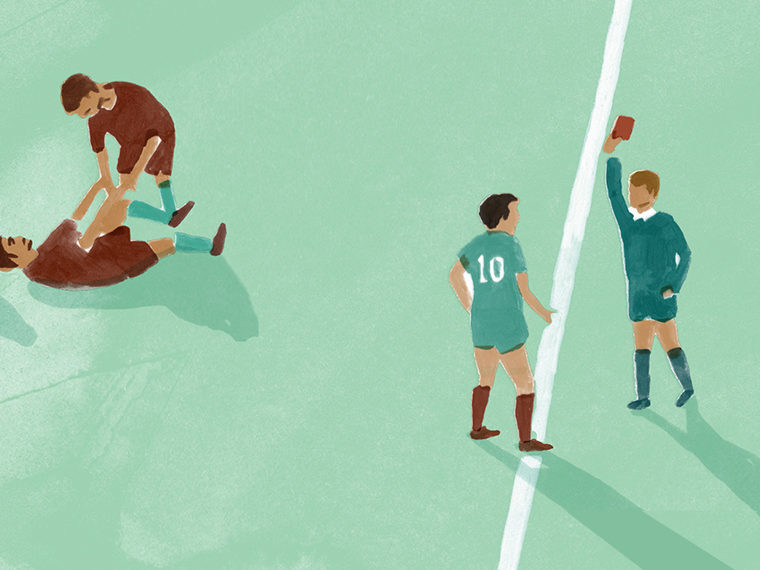
Is a Bad Deed That Goes Unpunished Less Bad?
In experiments, immorality and harm are deemed more extreme merely because an act was punished

Institutions Make Mistakes: Which Should We Seek to Prevent; Which Ought We Fix After the Fact?
In experiments, people endorsed seemingly harsh policies — only to reverse course after the fact

In a Global Church, Even a Widely Publicized Scandal’s Impact is Decidedly Local
Revisiting research on Catholic clergy sex abuse: Pennsylvania can expect fewer churchgoers and a painful decline in charitable contributions
How to Properly Incentivize Your Unicorn Finder
VCs and other investors need a contract with their seeker that blunts conflicts of interest
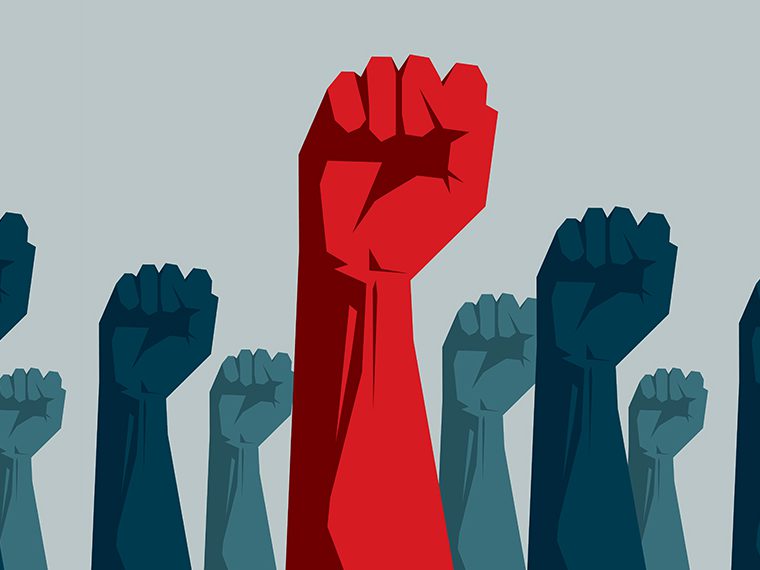
How to Encourage the Discriminated-Against to Band Together
Membership in a stigmatized group doesn’t predispose acceptance of other stigmatized groups
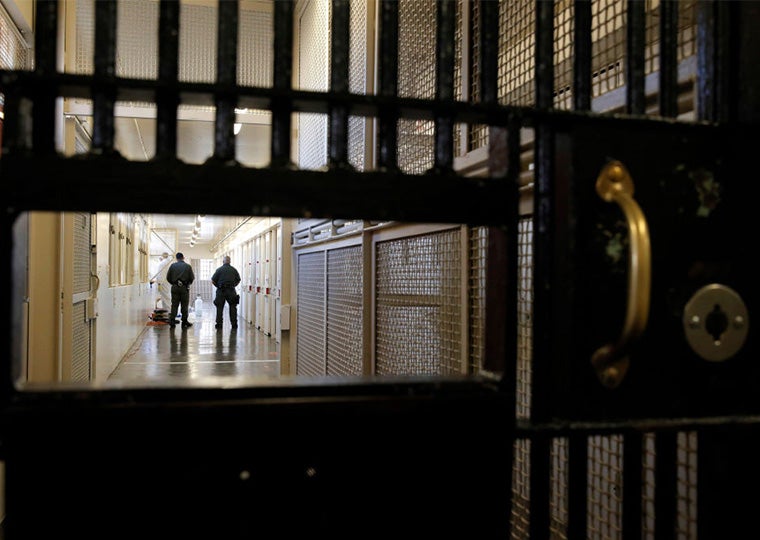
How Prisons, Very Much Like Nursing Homes, Helped Spread COVID Beyond Their Walls
After a botched inmate transfer, San Quentin guards carried the virus back to their neighborhoods

How Nursing Homes Selectively Admit Patients for Optimal Profits
When beds are limited, turning away the sickest and poorest boosts margins

How Far Would You Go for an Ivy League Kid?
Study finds interest in screening embryos for education propensity, especially if everyone else is doing it
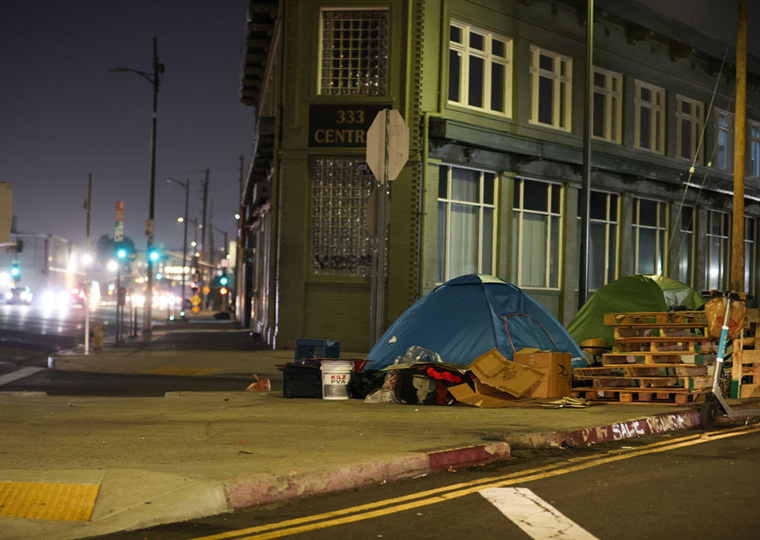
Go Ahead, You Decide How Much Wealth Should Be Redistributed
Can modern decision theory, paired with a half-century-old thought experiment, help make a more just society?

Experts Struggle to Accurately Forecast Societal Change
On COVID-19’s impacts, social scientists’ predictions weren’t much better than those of laypeople
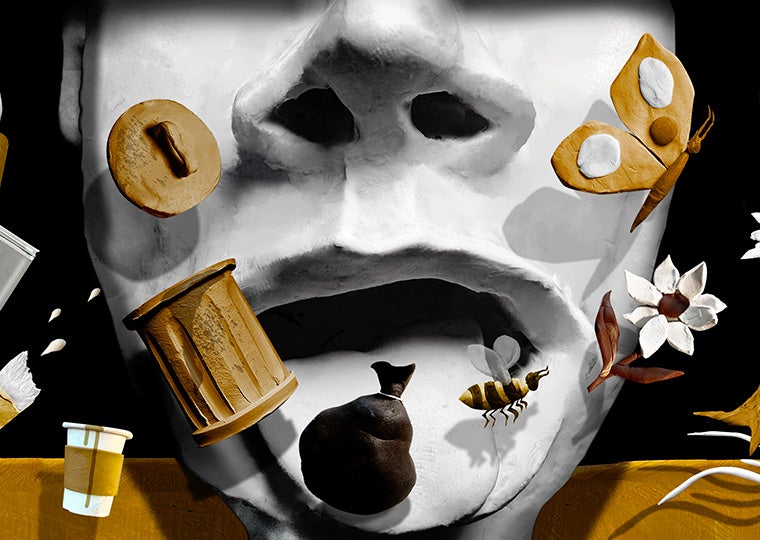
Ending Greenwashing Requires an Understanding of Its Origins
Foundational research broadened the conversation from intentional deception to include outcomes of external pressures, organizational systems, and human bias

Embryo Selection, Polygenic Scoring and Unrealistic Expectations
False hope for instilling disease resistance and desirable traits?

Do the Benefits of Pay Transparency Accrue Mostly to Employers?
Revealed compensation might motivate workers to do more, without a raise
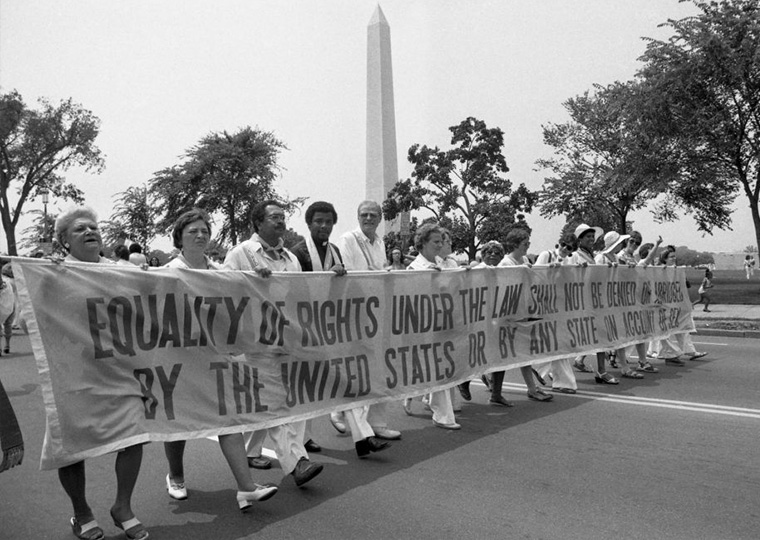
Do Social Laws Always Cause a Backlash?
Laws that threaten ideological preferences prompt some opponents to adopt more extreme beliefs
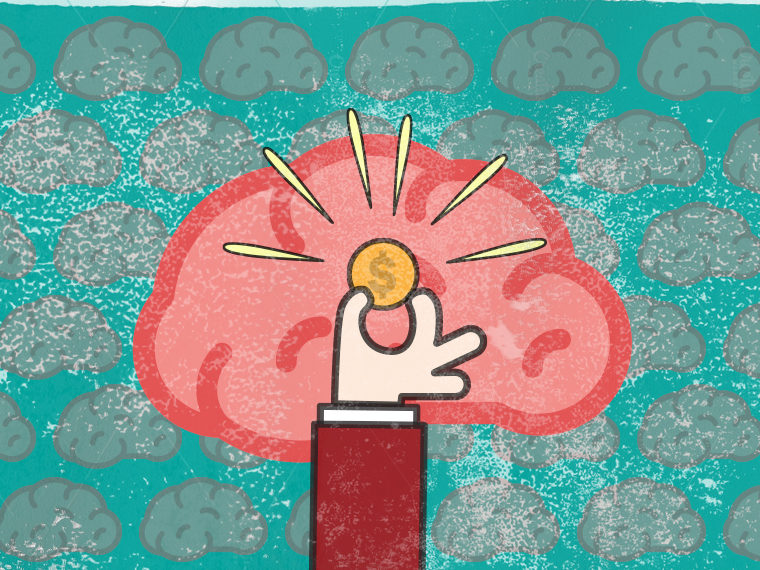
Do People Donate Money to Signal Their Intelligence?
Research suggests such a connection when donations are publicized
Do Fair Disclosure Rules Lead to More or Less Information?
Managers, forced to inform a broader audience, choose not to gather information even for themselves